
Protagonists
Then:
1863 - 1944
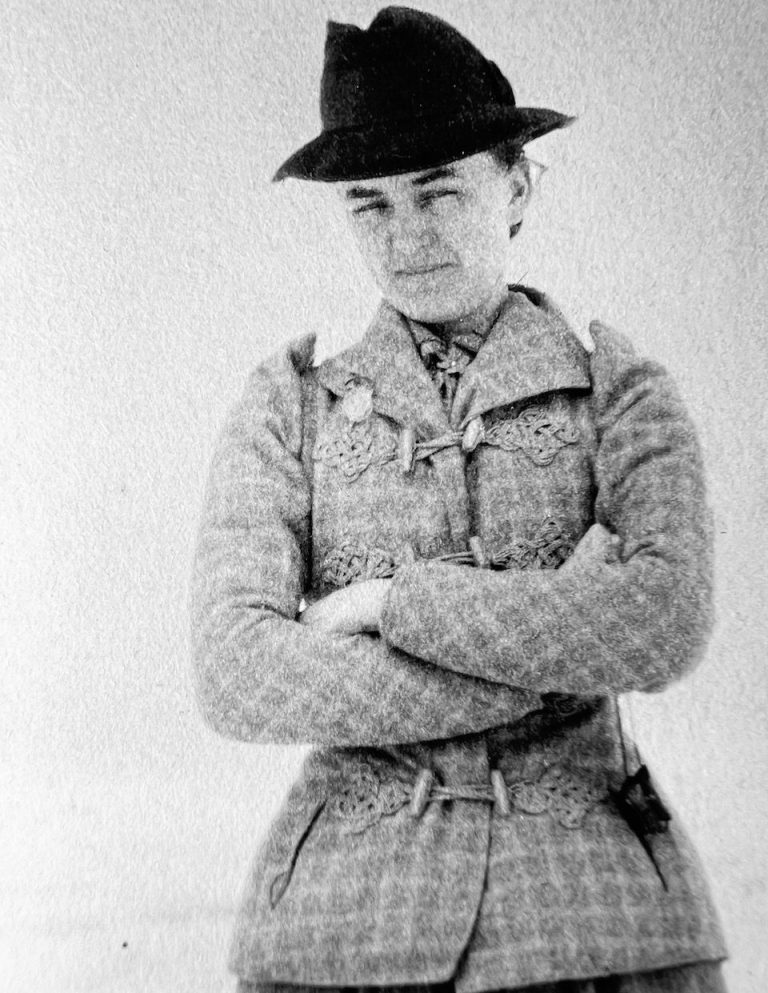
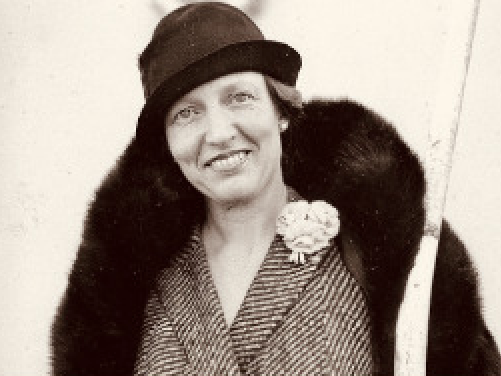
Josephine Peary
A Woman Between Ethnography and Betrayal
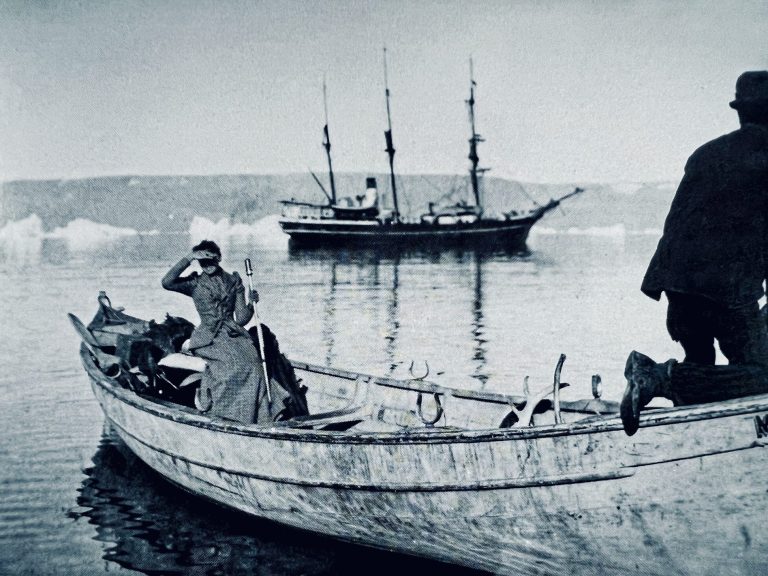
Josephine Peary carried out remarkable ethnographic work, yet to this day she is often perceived merely as the wife of North Pole explorer Robert E. Peary. Her relationship with Robert was complex and marked by deep disappointments. “ICE WOMEN” shows how Josephine played a decisive role in making these expeditions possible and fought to carve out her own place within a male-dominated team. At the same time, the film critically examines the problematic aspects of her story: Josephine’s condescending, racially biased view of the Inuit, as well as her silence regarding the abuse of women and girls in the community, are part of this legacy. The documentary approaches these contradictory facets with precision and candor.
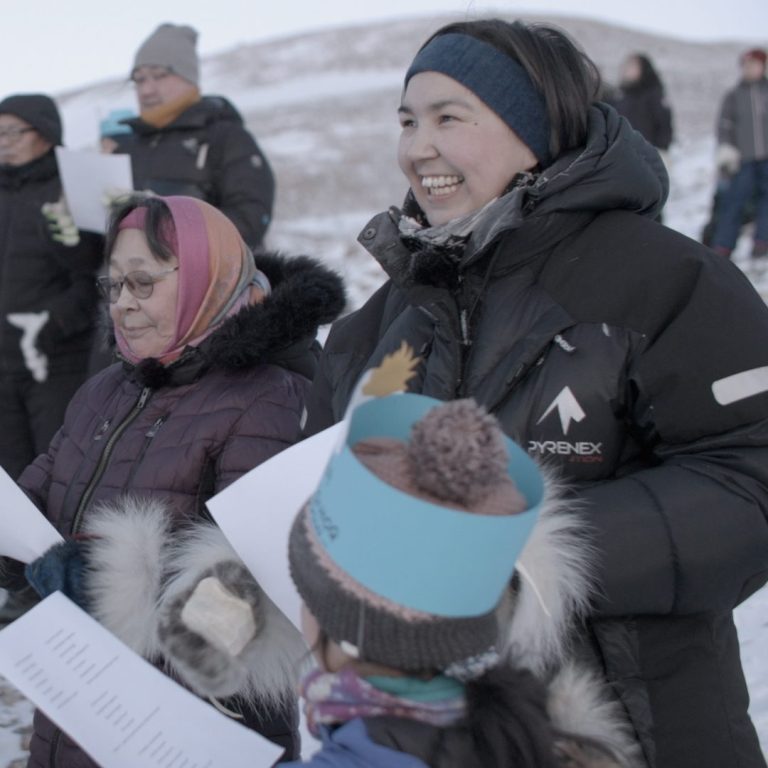
Kaalannguaq Eipe Uvdloriaq
From Dysfunction to Resilience
Kaalannguaq Eipe Uvdloriaq is a modern Inuk in Qaanaaq who faces the challenges of family, career, and cultural identity. ICE WOMEN chronicles Kaalannguaq’s journey from a difficult past to a present in which she works to empower others at the “Family House.” Kaalannguaq’s story reflects the enduring legacy of Arctic exploration in the lives of the people of Qaanaaq, where the Pearys once set up their base camp to become the first to reach the North Pole.
Today:
Then:
1887 - 1972
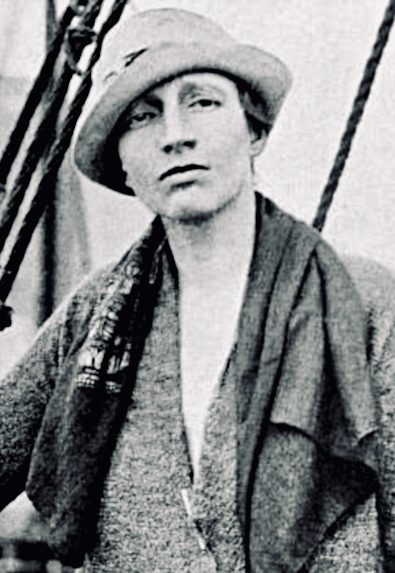
Louise Arner Boyd
From Wealth to the Depths of the Arctic
Born into a wealthy family in California, Louise Arner Boyd defied societal expectations early on and became the first
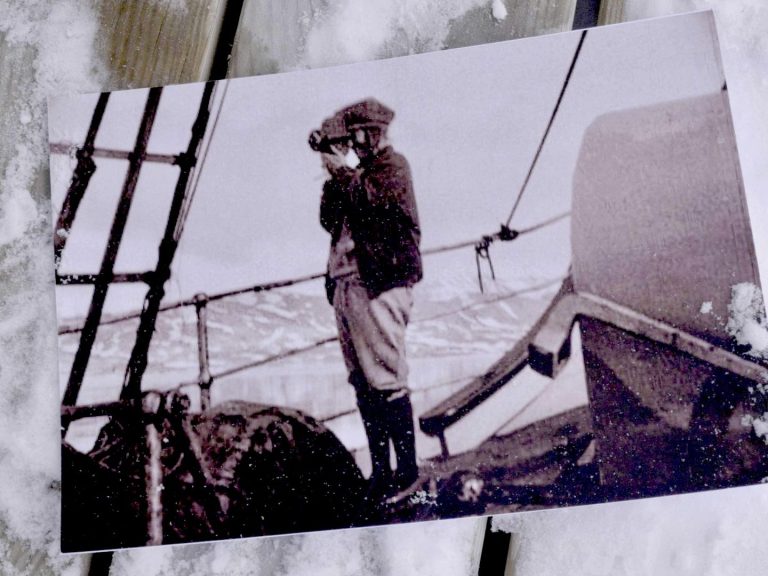
woman to independently organize and finance seven major Arctic expeditions—an extraordinary achievement that secures her a unique place in history. The film honors her diverse contributions to science, cultural preservation, and covert wartime missions during World War II, highlighting her lasting impact on Arctic research. Boyd was a pioneer in the use of visual media: she employed photography and film to, map them, and make them accessible to a wider public. As a self-taught leader of her
expeditions, she hired men as scientists, sailors, and technicians, thereby challenging the prevailing gender roles of her time. The documentary explores the ambivalence of her actions in a male-dominated environment and paints a portrait of a woman who carved out her own space through determination and contradictions.
Prof. Angelika Humbert
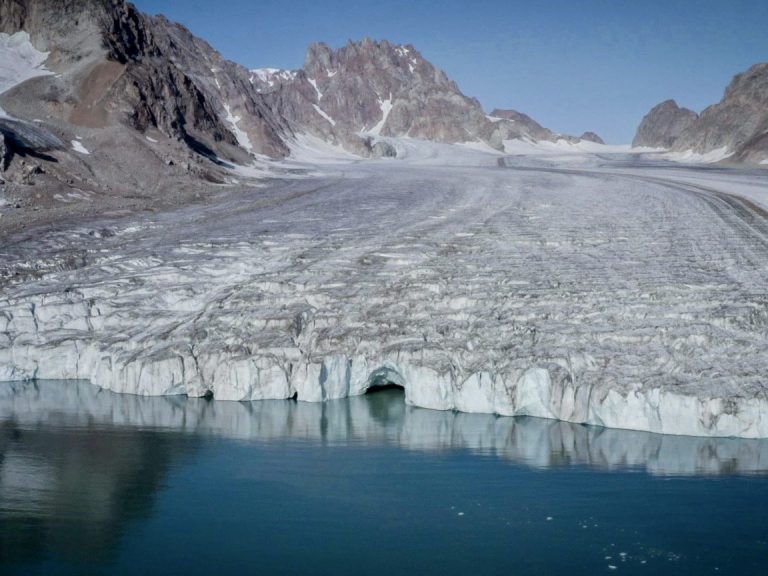
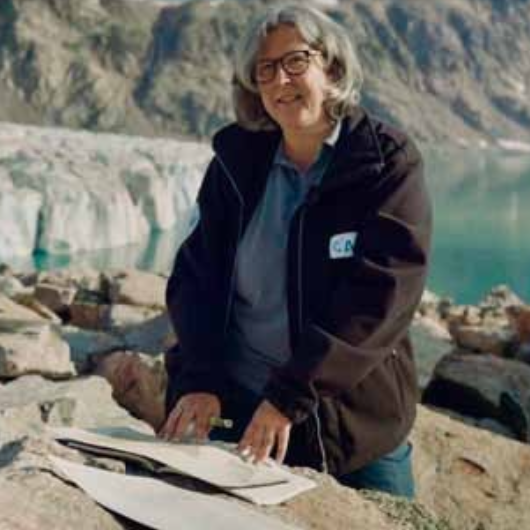
Angelika Humbert is a leading German glaciologist who, following in the footsteps of Louise Arner Boyd, researches and visualizes climate change. “ICE WOMEN” accompanies
her to a research camp in East Greenland, where she compares today’s glacial landscapes with the photographs Boyd captured in the 1920s. In this way, changes over the course of a century become tangibly perceptible. The conversations also address the question of how open science is to women today—and which
structures persist. In this way, the film builds a precise and personal bridge between the past and the present.
Today:
Back Then:
1898 - 1983
Ada Blackjack
A story of survival and silence
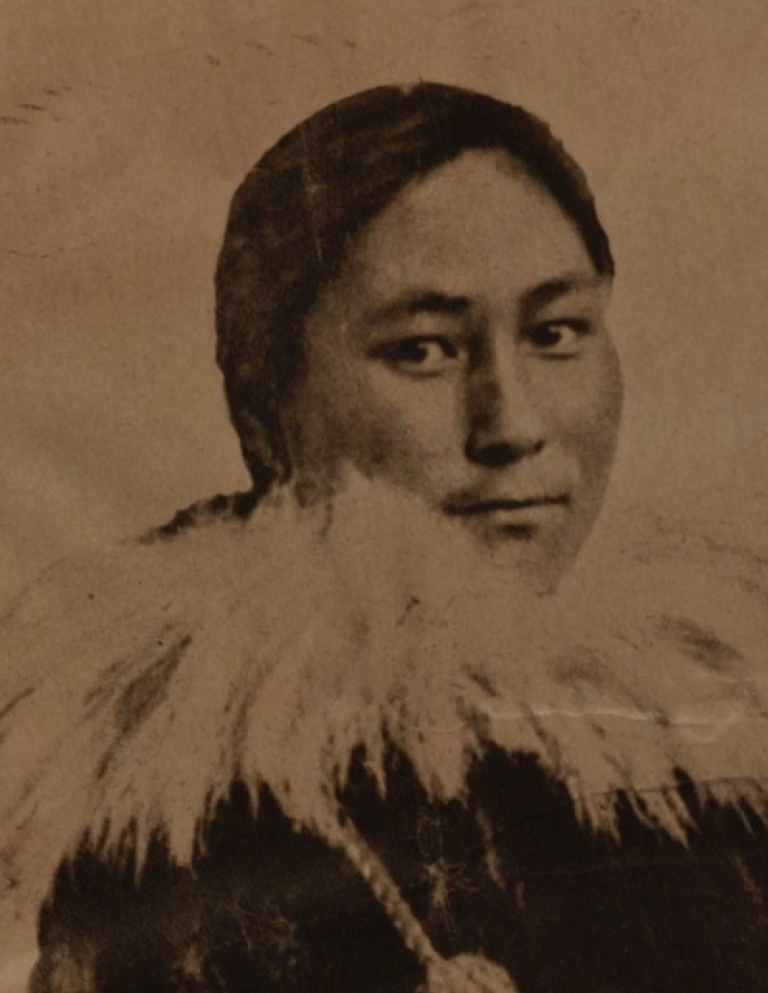
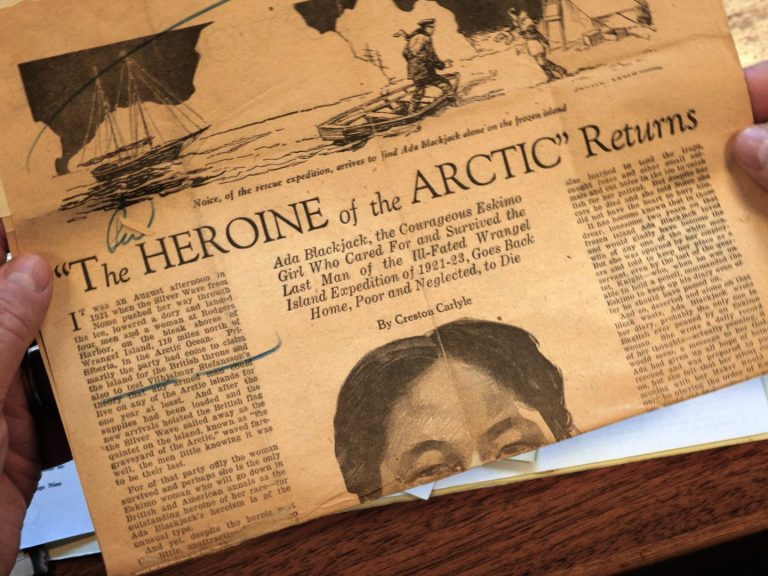
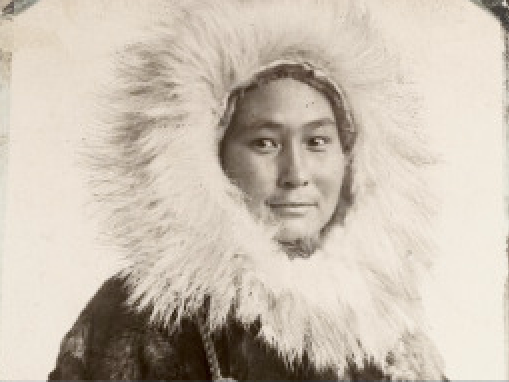
Ada Blackjack’s early years were marked by the painful loss of her father and the stripping away of her language and cultural identity. These hardships led to a lifelong struggle: first against violence in her marriage, later against the relentless cold of Wrangel Island, and always for a place in American society. In the process, Ada developed remarkable resilience; she learned to adapt to the harsh Arctic climate and to survive as the only woman in a group
of adventurers. But what kept her going in the face of death, hunger, and cold? Perhaps it was the universal power of a mother’s love, the deep bond with her child, that gave her an unshakable will to survive in the isolation of the Arctic.

Maddy Kiminaq Alvanna-Stimpfle
Preserving Cultural Heritage Through
Language
Maddy Kiminaq Alvanna-Stimpfle is a passionate Inupiaq teacher with a clear mission: to preserve her endangered language and culture. In Nome, a small town in Alaska that shaped Ada’s youth, Maddy carries on her legacy and fights for cultural acceptance. Her work illustrates how deeply the emotional wounds of colonialism extend into the present and how crucial the revival of cultural roots is to a community’s identity.