
Logline
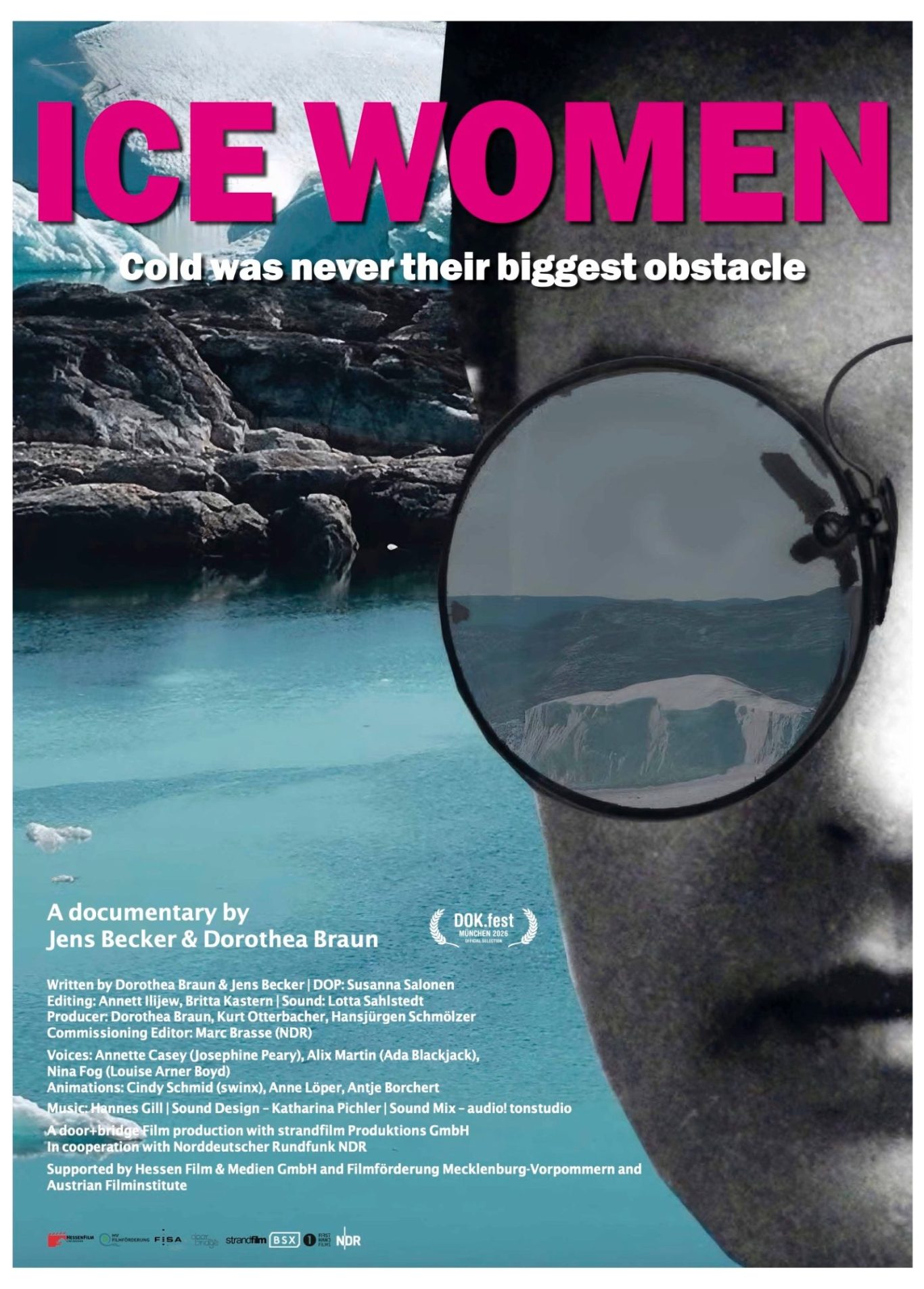
“ICE WOMEN” reimagines the history of the Arctic: from a female perspective. Moving away from the male-dominated narrative of heroic conquest, toward scientific and feminine curiosity, intuition, and resilience. From Josephine Peary, who wrote and conducted research in the ice, to Ada Blackjack, who fought for survival on Wrangel Island, to Louise Arner Boyd, who led seven major Arctic expeditions and documented them with technical precision. Their voices have not been silenced—they find their echo in the present: in glaciologist Angelika Humbert, Inupiat linguist Maddy Kiminaq Alvanna-Stimpfle, and social worker Kaalannguaq Eipe Uvdloriaq from Qaa-naaq in North Greenland.
Synopsis
“ICE WOMEN” dismantles the male-dominated narrative of Arctic research and exposes its colonial and patriarchal structures. For over a century, the Arctic was portrayed as a “discovered” space—from the perspective of white men who claimed territories that had long been inhabited and culturally rooted. The film shifts the focus to the women whose knowledge, resilience, and scientific work were systematically overlooked, thereby fundamentally questioning what we mean by “exploration.”
The film centers on three extraordinary pioneers: Josephine Peary, who gave birth to a child in the ice while her husband sought fame, and who discovered her own creative power in the isolation of Northwest Greenland; Ada Blackjack, an Iñupiat seamstress who survived alone on Wrangel Island after a failed expedition, sustained by her concern for her sick son; and Louise Arner Boyd, a wealthy explorer and self-taught scientist who financed and led seven major Arctic expeditions, combining scientific precision with innovative technology and poetic imagery. Their legacy resonates in the voices of contemporary Arctic women: Maddy Kiminaq Alvanna-Stimpfle, who preserves and passes on a language threatened with extinction; Angelika Humbert, who translates the movement of the ice into measurable signs of climate change; and Kaalannguaq Eipe Uvdloriaq, who gives a voice to daily life in Qaanaaq, one of the world’s northernmost communities.
Visually striking and narratively rich, “ICE WOMEN” weaves together rare archival treasures— including restored footage by Danish filmmaker Jette Bang and previously unpublished footage by Louise Arner Boyd—with contemporary images of the melting ice landscapes in Greenland and Alaska.
This creates a cinematic bridge between past and present, between tradition, colonial history, and a complex present. “ICE WOMEN” honors women whose greatest obstacle was never the cold.
ICE
WOMEN. Director Jens Becker, Dorothea Braun.
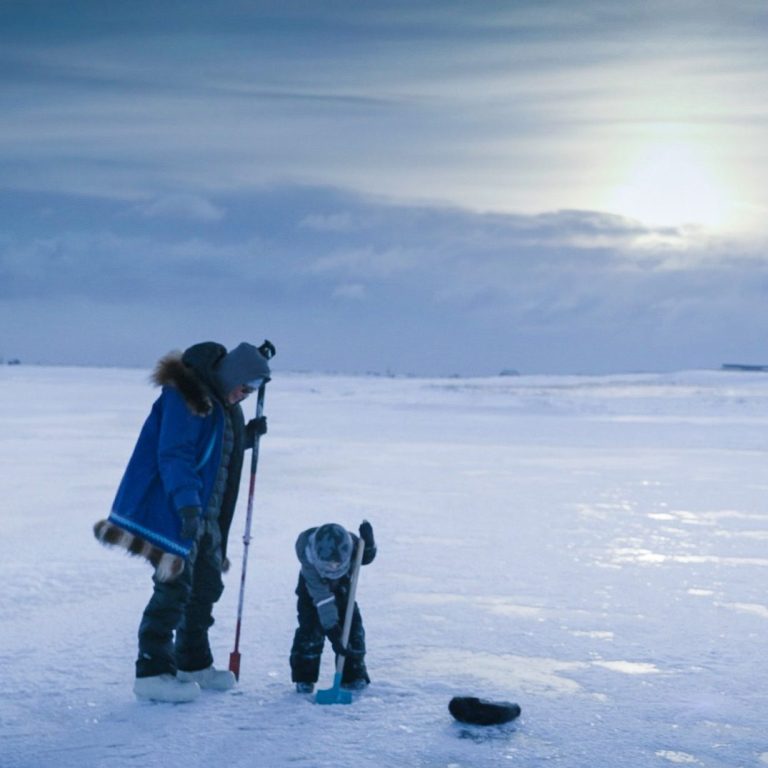
ICE WOMEN - Features Documentary and 3 x 52 min
Protagonists
Then:
1863 - 1944
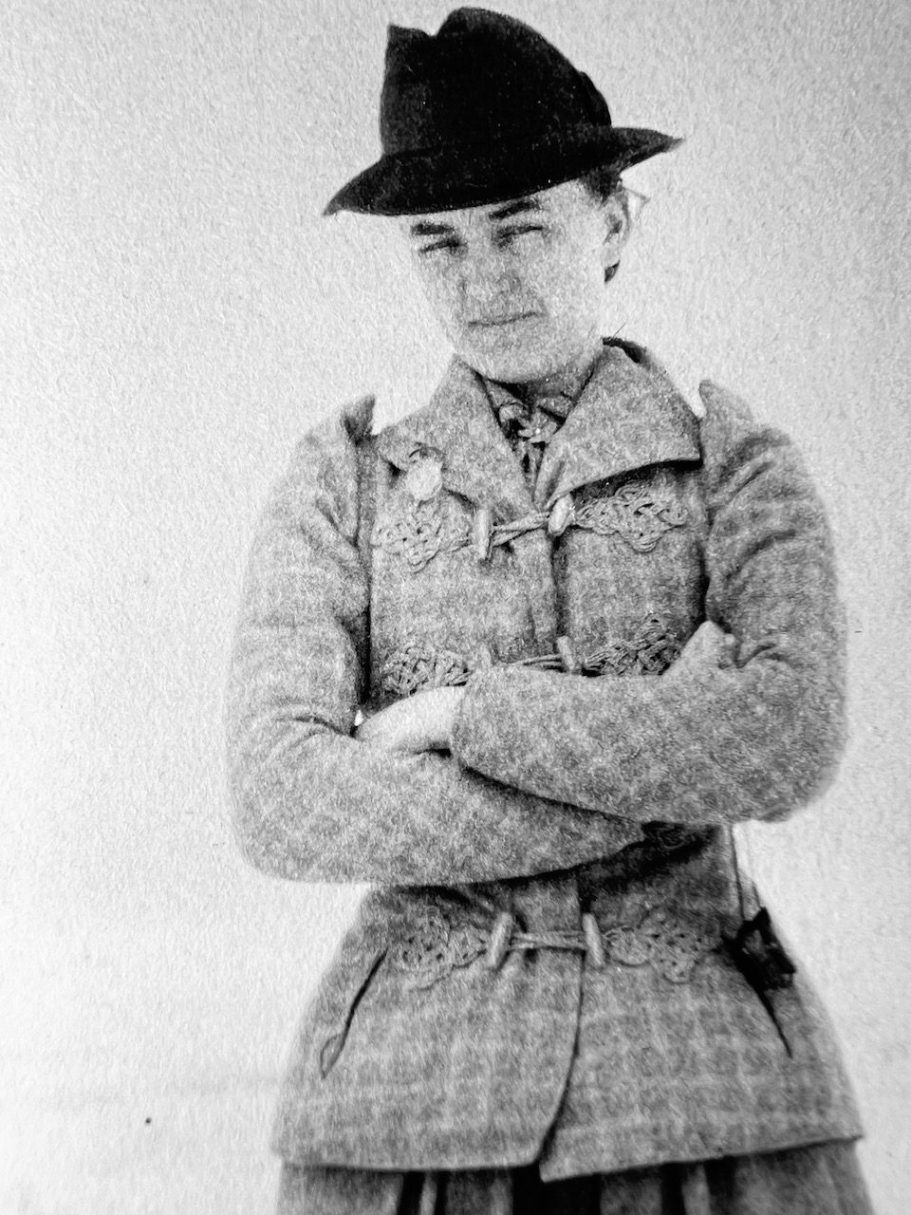
Josephine Peary
A Woman Between Ethnography and Betrayal
Today:
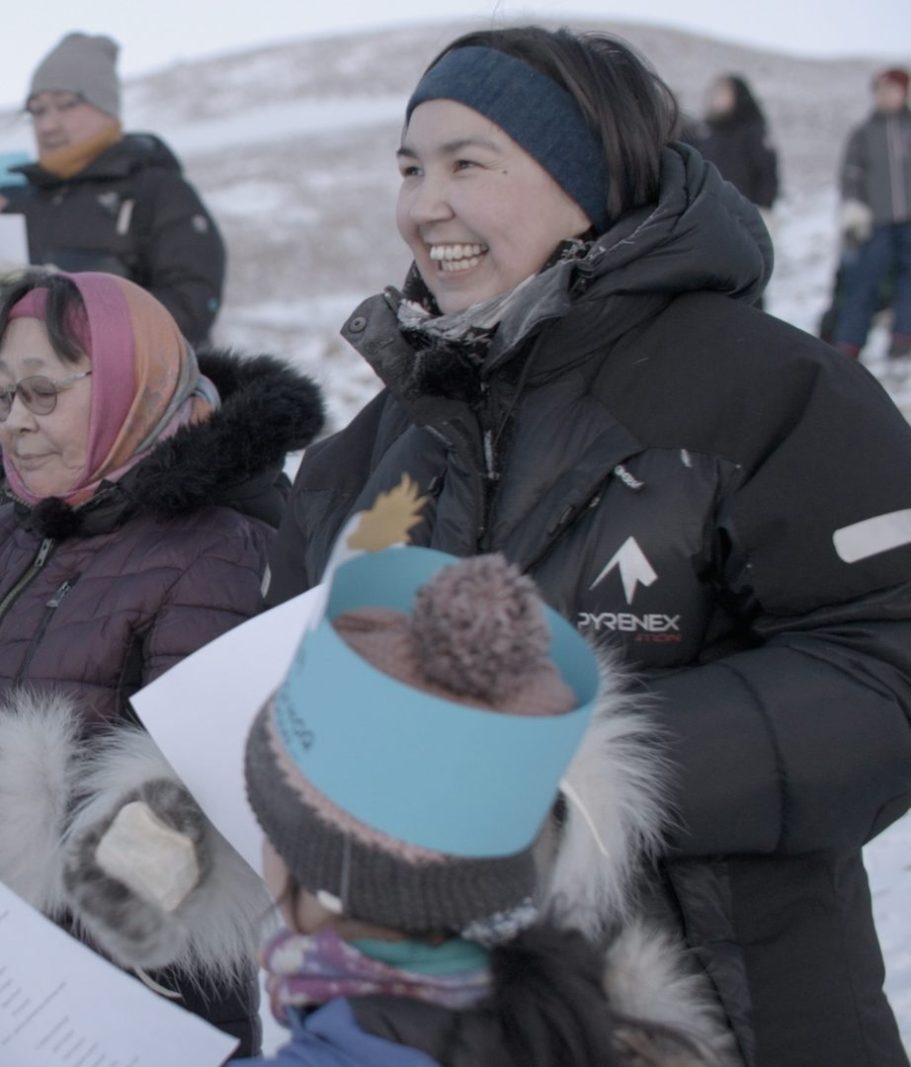
Kaalannguaq Eipe Uvdloriaq
From Dysfunction to Resilience
Then:
1887 - 1972
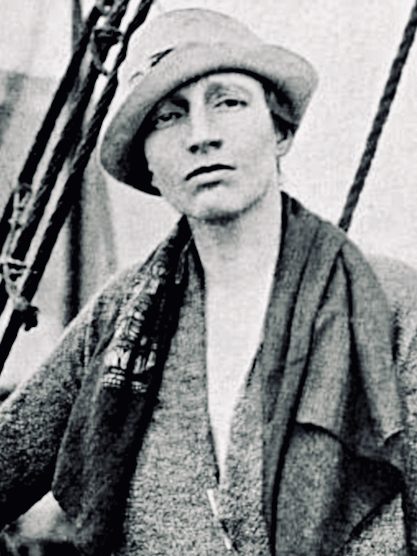
Louise Arner Boyd
From Wealth to the Depths of the Arctic
Today:
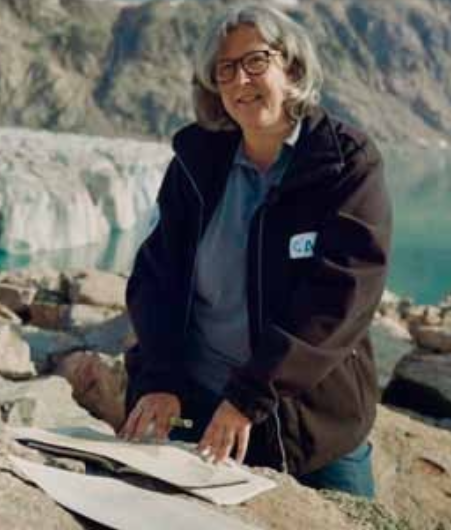
Prof. Angelika Humbert
Leading German Glaciologist
Back Then:
1898 - 1983
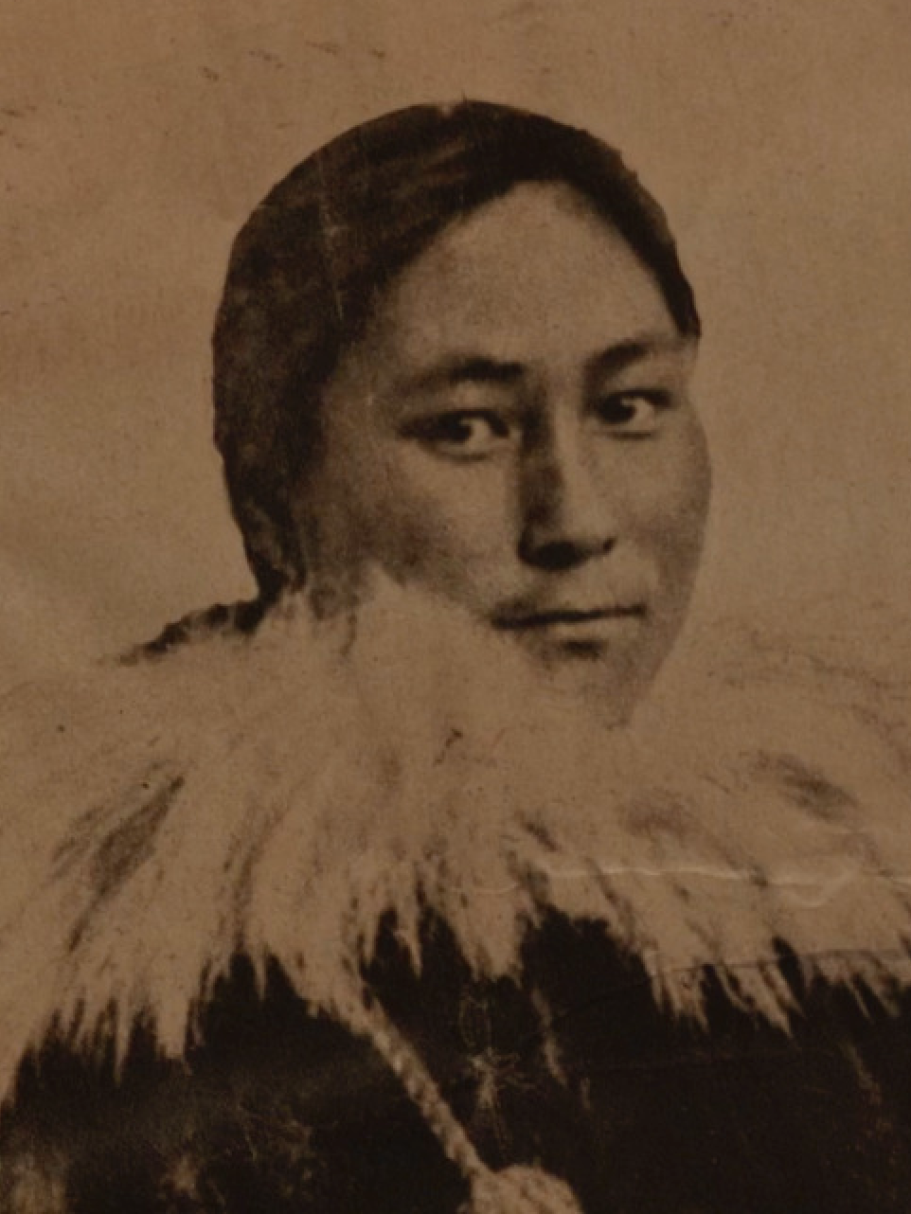
Ada Blackjack
A story of survival and silence
Today:
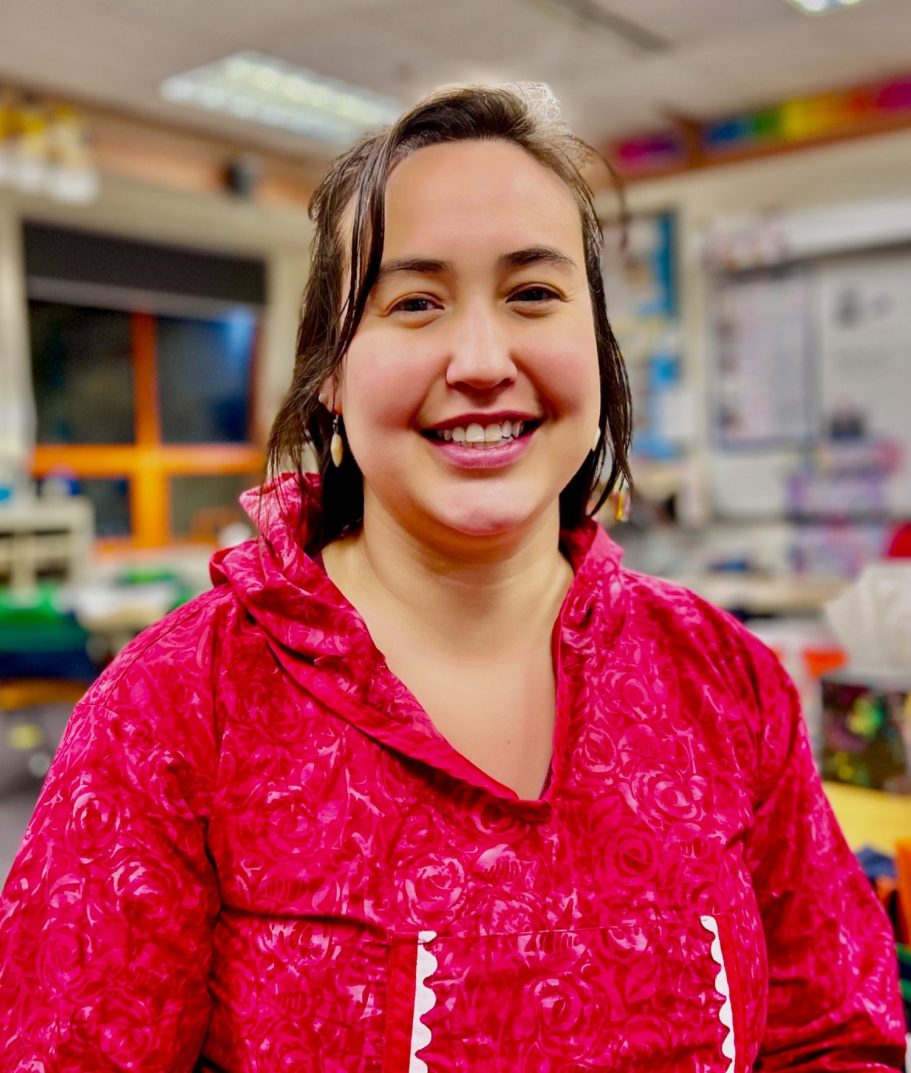
Maddy Kiminaq Alvanna-Stimpfle
Preserving Cultural Heritage Through Language
Director’s Note
ICE WOMEN is not just a film, but a collective journey—into a turbulent past, into the everyday life of the Arctic regions today, into magnificent landscapes. Our motivation is to bring three moving women’s stories back to light from the shadows of history. Josephine, Ada, and Louise encourage us to walk the path of self-empowerment.
A Greenlandic shaman once taught: “A bird needs two wings to fly. There must be balance”. This wisdom forms the backbone of our narrative. Just as balance makes flight possible, our film connects the majestic grandeur of the Arctic landscapes with the intimate, untold biographies of remarkable women into a harmonious whole. Our expedition took us deep into the archives: we have brought forgotten letters, photographs, and records to light, not only to document the legacy of these pioneers but to make it tangible. It is our mission to honor their courage and thus pave the way for a new era of empowerment.
Producer’s Note
It all began with a single photo: a woman in arctic gear, a rifle on her back. I remember thinking: Why don’t I know her? Why have I never heard of women like her? The deeper I researched, the clearer it became that this absence is no coincidence. Women were present in the Arctic. They traveled, researched, documented, survived, yet they rarely found
their way into the dominant narrative. The so-called “Golden Age” of exploration was written as a male history.
Working with the archives revealed something else: the photographs and films are not neutral. They were created within colonial structures. Indigenous communities were often depicted in them as objects—to be studied, measured, or exhibited. Images carry power, and this power determines what is remembered and who is forgotten.
“ICE WOMEN” emerges from this tension. The film brings historical material into dialogue with contemporary voices—with women who live, research, and reflect in the Arctic today. It asks how we interpret archival images today: what we unconsciously perpetuate and what we must re-examine and reinterpret. For me, this process was less about “correcting” history and more about taking responsibility for how history is handled today. ICE WOMEN is an attempt to
carefully preserve the archive, recognize the colonial perspective embedded within it, and create space for narratives that have long existed but have rarely been the focus. It is not about replacing one myth with another. It is about broadening the perspective.
Credits
Screenplay: Dorothea Braun, Jens
Becker
Directed by: Jens Becker, Dorothea
Braun
German Narrators: Nina Petri, Katrin Daliot, Ninja Reichert, Marc Vogel English
Narrators: Annette Casey, Alix Martin, Nina Fog, Jim Libby Cinematography: Susanna Salonen
Editing: Annett Ilijew, Britta Kastern
Original voices: Lotta Sahlstedt, Angunnguaq Larsen, Tobias Müller
Composer: Hannes Gill
Sound Design: Katharina Pichler
Mixing: Audio! tonstudio
Production: Dorothea Braun – door & bridge film, Kurt Otterbacher – strandfilm, Hansjürgen, Schmölzer, BSX, Schmölzer GmbH
Co-production: Norddeutscher Rundfunk (NDR)
Funded by: Hessen Film & Medien GmbH, MV Filmförderung GmbH, FISA Plus
Title: EISFRAUEN / ICE WOMEN
Genre: Documentary
Year: 2026
Country of origin: Germany
Filming locations: Greenland, Bremerhaven, Alaska, California, Maine, Washington, D.C., Seattle
Runtime: 90 minutes
Screening format: DCP
Audio: 5.1
Language versions: German, English
Rating: 12+
Theatrical release: TBA
Festivals: DokFest Munich 2026, Official Selection
The Production
Production details:
EISFRAUEN/ICE WOMEN is a 90-minute theatrical documentary and a 3 x 52-minute TV series
Teaser: https://vimeo.com/manage/videos/1160178588
Dorothea Braun, Producer, Screenplay, Director
In 2019, Dorothea Braun founded the production company door+bridge film. With ICE WOMEN, she brings her first feature-length documentary to the big screen. Her work is shaped by her studies in cultural and social anthropology with a focus on visual anthropology, as well as her training in directing and story development at the ZELIG Film School. She has been working as a producer, screenwriter, and director since 2015.
Jens Becker, Director, Screenplay
Since 1986, he has produced more than 70 screenplays, feature films, TV series episodes, and documentaries for cinema and television, as well as non-fiction books. Since 1991, he has worked as a freelance writer, director, and dramaturg. In 2004, he was appointed professor of screenwriting at the KONRAD WOLF Film University Babelsberg. He serves on selection and funding committees.
Kurt Otterbacher, Producer, strandfilm
Founder (1977) and producer (since 1986), involved in more than 70 productions for cinema and television, author and film critic.
Hansjürgen Schmölzer, Producer, BSX Schmölzer GmbH, Austria
Contact:
Dorothea Braun, dorothea.braun.film@gmail.com
Distribution:
Worldsales
Zurich Office
First Hand Films
GmbH
Neunbrunnenstrasse
50
8050 Zurich,
Switzerland
Tel 41 44 312 20 60
Berlin Office
First Hand Films International
Distribution GmbH Wilhelmine-
Gemberg-Weg 6, Building K 10179
Berlin
Germany
Tel 49 30 285 290 88
German Distribution:
W-FILM Distribution
Gotenring 16
50679 Köln
Deutschland
Telefon: +49 (0) 221 - 222 1980
E-Mail: mail(at)wfilm.de